
Stone has a rare authority. It does not merely occupy a landscape; it gives the landscape memory.
A thoughtfully built stone wall, terrace, entry, or outdoor living space can serve a home for decades because its value is not based on fashion. It is based on proportion, material integrity, disciplined construction, and respect for the land beneath it. For homeowners seeking stone masonry contractors in Arkansas, the essential question is not simply, “Will this look beautiful when it is finished?” It is, “Will future generations be grateful that it was built this way?”
That is the spirit of the 100-Year Rule: design and build with enough integrity that the work remains useful, beautiful, and worthy of care long after the original project is complete. It is not a guarantee or a promise of a precise service life. It is a standard of judgment.
The 100-Year Rule Begins With a Long View
A landscape built for permanence must be considered as an entire composition. Stone, soil, water, planting, circulation, lighting, and architecture should work together rather than compete for attention.
This long view changes the design process. A retaining wall is not treated as an isolated feature. It becomes part of a terrace, garden, stairway, or outdoor room. A pathway is not simply a route across the property. It becomes a deliberate transition between the home and the landscape. A stone seating wall can define an outdoor living space while providing a quiet architectural edge that grows more graceful with age.
This is the difference between adding stone and creating a legacy landscape.
Our approach to landscape design in Arkansas begins with the property itself: its grade, drainage patterns, soil, sun, existing architecture, and the way you want to live outdoors. The result is a site-specific composition rather than a borrowed template.
Natural Stone Gives the Landscape Its Permanent Character
Hand-selected natural stone carries variation that manufactured materials cannot fully imitate. Its color, texture, weathering, cleft, and irregular edges create a visual language that feels connected to the surrounding terrain.
The finest stonework does not force every piece into uniformity. It uses variation with discipline. Larger stones establish visual weight. Smaller stones create rhythm and transition. Broad capstones give a wall authority. Carefully selected flagstone creates a walking surface with character without sacrificing comfort or safety.
Material selection should also respond to Arkansas conditions. The stone must be appropriate for its location, exposure, intended use, and relationship to water. A material that performs well in a dry setting may require different detailing in a humid, high-rainfall environment.
True stone craftsmanship is therefore both artistic and practical. It requires the eye to see beauty and the judgment to understand performance.
Stable Base Preparation Is the Hidden Architecture
The visible face of a stone wall or patio is only part of the work. Much of its durability is established below grade, where the structure meets the soil.
Arkansas presents several conditions that demand care. Summers are often hot and humid. Rainfall is abundant, and intense storms can send large volumes of water across a property. Many sites also contain clay soils that drain slowly and change volume as their moisture content shifts. Winter freeze-thaw cycles can add another layer of movement, particularly in northern and upland areas.
The Encyclopedia of Arkansas describes the state’s varied climate, while the NOAA State Climate Summaries provide additional regional context.
For landscape construction Arkansas homeowners can rely on over time, the base must be planned for these realities. Depending on the project, that may include:
- Excavating unstable or highly compressible soil
- Separating clay from aggregate with appropriate geotextile fabric
- Installing a properly graded, compacted crushed-stone base
- Compacting aggregate in controlled lifts
- Establishing a footing or foundation suited to the wall, grade, and local requirements
- Creating positive drainage so water does not remain trapped beneath the work
A beautiful surface cannot compensate for a neglected foundation. Stone may be the visible artistry, but base preparation is the quiet architecture that allows that artistry to endure.
Drainage Protects Stonework From Arkansas Weather
Water is one of the most important design forces in any Arkansas landscape.
Heavy rain can saturate clay soil, increase pressure behind retaining walls, wash out poorly prepared bases, and carry sediment into low areas. When water freezes, expands, and thaws repeatedly, trapped moisture can contribute to movement or deterioration in vulnerable materials and joints.
Durable masonry begins by giving water a clear path.
For retaining walls, proper construction may include free-draining material behind the wall, a perforated drain pipe at the base, a positive outlet, and surface grading that directs water away from the structure. Mortared walls may also require carefully considered weep holes and joint detailing. Patios, walks, and steps should be pitched sufficiently to shed water rather than invite ponding.
Drainage should remain discreet. When it is designed well, you notice the tranquility of the finished space: not the systems working beneath it.
Architectural Landscape Construction also provides French drains and retaining wall services as part of a broader approach to landscape performance.
Batter and Proportion Give Retaining Walls Their Strength
A retaining wall must manage more than its own weight. It may also be responding to soil pressure, surface water, nearby paving, planting, structures, or changes in grade.
One important design principle is batter: the deliberate setting of a wall slightly back into the slope. This can improve the wall’s visual stability while helping it respond to the forces acting upon it. A wall that appears to rise naturally from the land often feels more elegant than one that stands rigidly against it.
Proportion matters just as much. Taller walls may benefit from terraces, planted breaks, changes in alignment, or carefully designed steps. On sloped properties, a sequence of lower terraces can create a more graceful and garden-like composition than a single imposing face.
The objective is not simply to hold soil. It is to transform elevation into architecture.

True Stone Masonry Is More Than Stone Installation
Stone installation can describe the placement of stone. True masonry requires a deeper command of material, structure, proportion, jointing, drainage, and visual composition.
A master mason reads each piece before setting it. The stone’s weight, face, bearing surface, grain, color, and relationship to adjacent pieces all matter. The mason determines where a stone belongs: not only according to a plan, but according to how the material wants to function within that plan.
That does not mean every project must be rustic or irregular. Traditional craft can support contemporary design just as effectively as formal garden architecture. The defining characteristic is deliberate work: precise placement, stable bearing, coherent courses or patterns, durable transitions, and details that respect both the material and the site.
Architectural Landscape Construction brings this standard to Arkansas through two of Arkansas’s few true master stone masons, combining traditional craftsmanship with innovative design. We do not treat stone as a decorative afterthought. We treat it as an enduring architectural medium.
You can explore examples of our work in the Architectural Landscape Construction gallery.
Design for Beauty That Deepens With Age
A legacy landscape should not depend on novelty. It should become more integrated with the property as time passes.
Plantings mature around stone. Edges soften. Natural color develops through weather and changing light. Outdoor rooms become familiar places for morning coffee, evening conversation, family gatherings, and quiet reflection. A well-conceived space gains meaning because it supports real life.
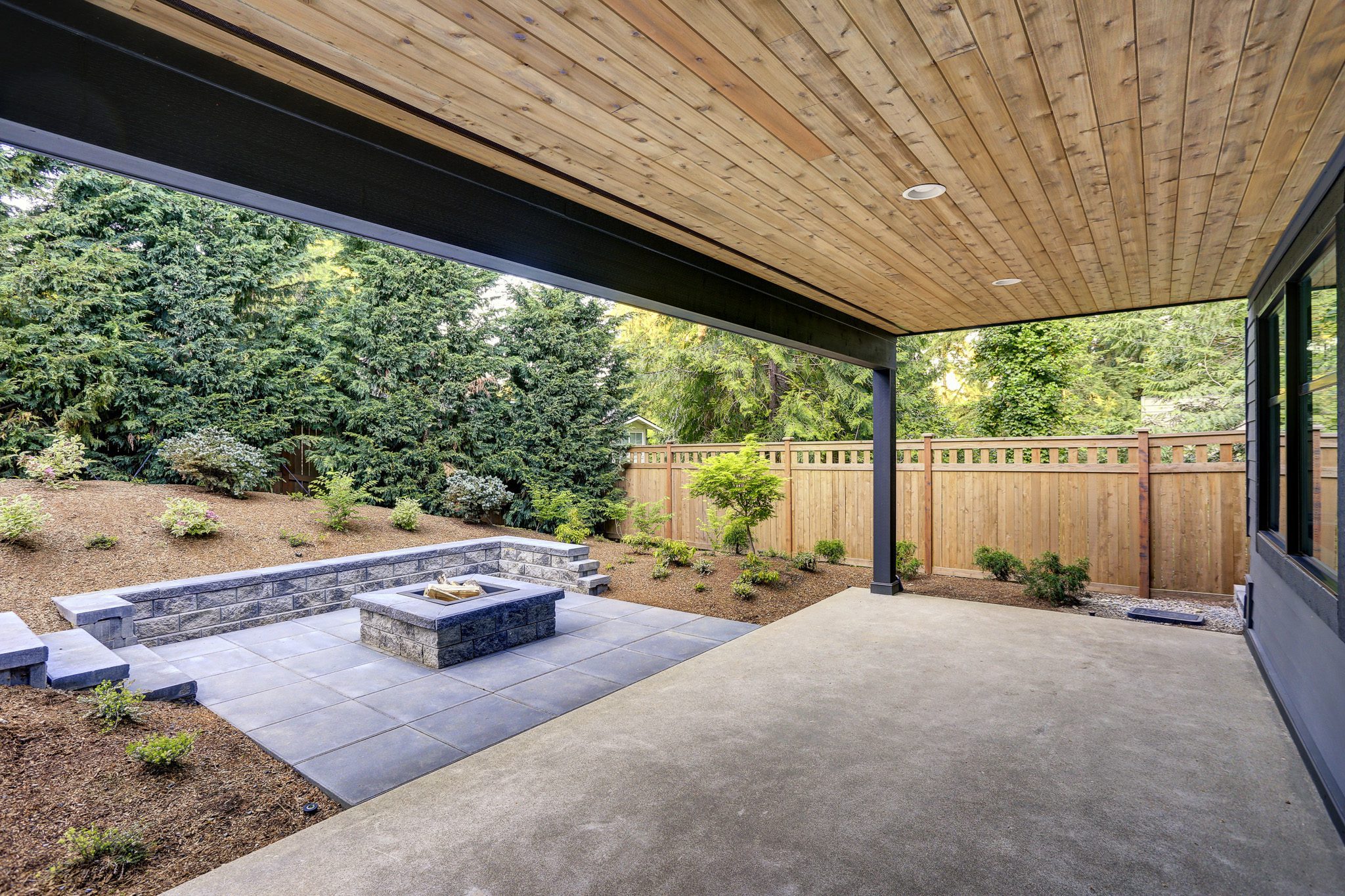
This is especially important when planning outdoor living spaces in Arkansas. A stone patio, kitchen, fire feature, walkway, or seating wall should be comfortable and useful in the present while remaining visually appropriate as the home and landscape mature.
Good design moves from function to experience:
- A stable retaining wall creates usable grade.
- Usable grade creates a garden terrace.
- The terrace creates a destination.
- The destination becomes part of the family’s memory.
That is how construction becomes legacy.
Build the Landscape Your Future Self Will Respect
Choosing among stone masonry contractors in Arkansas is ultimately a choice about standards. Ask how the contractor evaluates the site, manages clay soil, plans for drainage, prepares the base, selects stone, and approaches long-term maintenance. Ask whether the design responds to your home and property or simply repeats a familiar arrangement.
A high-quality project should be explained clearly. Structural considerations should be taken seriously, and taller or more complex retaining walls may require additional engineering or local review. Materials, grading, drainage, and access should be considered before the first stone is set.
At Architectural Landscape Construction LLC, we have been serving Arkansas since 1987. Our work is guided by the belief that craftsmanship should be both beautiful and accountable: strong enough for the climate, refined enough for the home, and thoughtful enough to remain meaningful over time.
If you are considering a retaining wall, stone entry, terrace, patio, pathway, or complete custom landscape design services in Arkansas, we invite you to contact us for a consultation. Bring us your vision, your property’s challenges, and the way you want to experience the outdoors. We will help you shape a landscape with strength, elegance, and enduring character.
You may also visit the Architectural Landscape Construction shop to explore the Legacy collection.
Frequently Asked Questions
What makes a landscape truly enduring in Arkansas?
Enduring landscapes combine appropriate natural stone, site-specific design, stable base preparation, effective drainage, clay-soil management, and construction details suited to freeze-thaw movement. Long-term durability also depends on maintenance and periodic inspection.
Why does Arkansas clay soil matter for stone construction?
Clay soil can drain slowly and may shrink or swell as moisture conditions change. If it is not properly evaluated and managed, movement can affect patios, walkways, retaining walls, and other hardscape elements. Proper excavation, separation, aggregate preparation, compaction, and drainage help create a more stable foundation.
How does drainage protect a retaining wall?
Drainage reduces the amount of water and hydrostatic pressure held behind a wall. Depending on the design, this may include free-draining backfill, perforated pipe, weep holes, surface grading, and a reliable outlet. Drainage details should be tailored to the wall and property.
What is batter in a stone retaining wall?
Batter is the intentional angle that sets a retaining wall slightly back into the slope as it rises. It can contribute to stability and gives the wall a more grounded, natural appearance. The appropriate design depends on wall type, height, soil, surcharge, and site conditions.
Is natural stone suitable for Arkansas freeze-thaw cycles?
Many natural stones can perform well in Arkansas when they are properly selected, installed, drained, and maintained. The suitability of a particular stone depends on its density, absorption, exposure, intended use, and detailing. Water management is essential in freeze-thaw conditions.
How is true stone masonry different from ordinary stone installation?
True stone masonry involves more than placing stone for appearance. It requires the deliberate selection and setting of individual pieces, attention to bearing and proportion, appropriate jointing, structural awareness, and integration with drainage and site conditions. The result is both functional construction and composed artistry.
When should I contact a landscape construction professional?
Contact a professional during the planning stage, especially for sloped properties, retaining walls, drainage concerns, complex outdoor living spaces, or projects involving significant excavation. Early site evaluation can help align the design, materials, budget, and construction approach before work begins.
Architectural Landscape Construction: Legacies in stone since 1987.
Recent Comments